
Know Where You Stand Before Selection Decides For You.
Most candidates train harder. Few identify the specific weaknesses that will be exposed under load, stress, fatigue, and uncertainty. Our assessment identifies the gaps between your current capabilities and the standard, so you know exactly what to improve—and why
How SUAR Coaching Works
Know where you stand. Understand what needs work. Train with direction.
Your training history, current capabilities, and Selection timeline determine where we begin. Our assessments help identify your limitations. Coaching turns those findings into clear priorities, individualized training, and ongoing adjustments as you progress.
You’ll work directly with Dr. Sean Burkhardt and Dr. David Walton—from your initial assessment through the decisions that shape your preparation.
1. Complete Your Intake
Tell us about your training history, injuries, current performance, and Selection timeline.
Dr. Sean reviews your information to establish an initial picture of your preparation and identify questions to explore with you. Report where you are today. Accurate information helps us make useful decisions.
2. Have the Discovery Call
We discuss your goals, review your intake, explain our approach, and answer your questions.
You’re interviewing us. We’re interviewing you. We keep our roster small because proper coaching requires time and attention. Before you enroll, both sides need to agree that the expectations, commitment, and coaching relationship are a good fit.
Once you enroll, your assessments and ongoing coaching are included.
3. Complete Your Assessments
You’ll complete an Injury Risk & Readiness Assessment with Dr. Sean and a Ruck Assessment with Dr. Walton.
We examine movement, breathing, physical capacity, and rucking mechanics to understand what needs attention. If we need additional performance numbers, we schedule testing to establish your starting point.
You receive a clear summary of your findings, your primary limitations, and practical next steps. We explain how those findings will shape your training.
4. Get Your Individualized Program
Dr. Sean and Dr. Walton review your results together and build your starting program around your priorities, current training tolerance, and the demands of Selection.
Your findings guide decisions about running, rucking, strength, durability, and recovery—what to develop first, how much work to prescribe, and how to progress.
We also teach you a simple daily recovery check: what to record, what it means, and when to scale back or contact your coach. You receive oversight while learning to make sound training decisions yourself.
5. Train. Report. Adjust.
Each week, we review your training results and feedback to assess progress, fatigue, and recovery. Travel, illness, duty demands, and injuries all factor into those decisions.
We adjust volume, intensity, exercises, or recovery as needed. Some weeks require changes. Others require consistent execution.
You can contact your coaches between reviews. Quarterly reassessments help us measure progress and update your priorities. Monthly discussions address ARSOF attributes, the Whole Man concept, land navigation, and broader candidate development.
We provide the assessment, programming, feedback, and adjustments. You provide the effort, communication, and honest reporting.
If something hurts, tell us. If you’re struggling, tell us. If you missed training, tell us.
We can’t coach what we don’t know.
Put Your Findings to Work
Your assessment establishes a starting point. Coaching gives you the guidance and accountability to act on it—and adapt as your capabilities and circumstances change.
SUAR 1:1 Coaching — $350/month, month-to-month
Includes both assessments, individualized programming, weekly training review and adjustments, coach access, and quarterly reassessment.
Looking for an assessment without ongoing coaching?
View Standalone Assessments:
We Assess Before We Program
More work isn’t always the answer. You need to know which work matters most.
Your assessments help us identify what’s holding you back, what needs attention first, and how much training you can currently handle.
Those findings drive your starting program—and give us a baseline to measure progress.
Assess. Prioritize. Train. Reassess.
The Gap Between Where You Are and the Standard
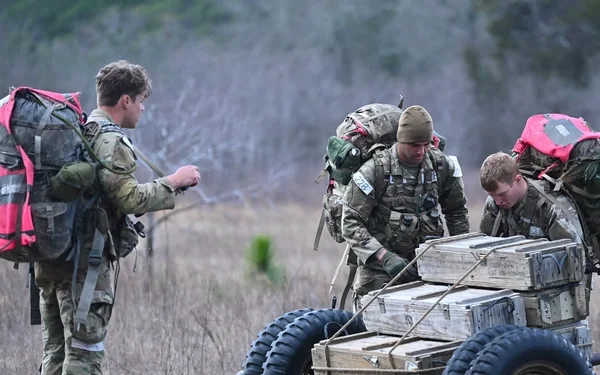
Most candidates don’t fail because they don’t work hard
They fail because they don’t know where they actually stand.
Assess. Prioritize. Prepare.